LATERAL CERVICAL
Hyperflexion and Hyperextension
Functional Study • Cervical Mobility Evaluation • Dynamic Test

ABSOLUTE CONTRAINDICATION IN TRAUMA
THIS PROCEDURE MUST NOT BE ATTEMPTED
Until pathology or fractures of the cervical spine have been completely ruled out
- Requires a prior normal lateral cervical radiograph
- Full medical evaluation before the study
- Contraindicated in suspected cervical instability
- Only for conscious and cooperative patients
Purpose of the Functional Study
Functional studies of the cervical vertebrae in lateral position are performed to:
- Demonstrate normal anteroposterior movement
- Detect absence of movement due to trauma or pathology
- Evaluate segmental vertebral stability
- Identify joint locks or restrictions
The spinous processes elevate and separate widely in hyperflexion, and depress and approximate in hyperextension.
Exposure Factors
Increased distance: Greater than standard lateral cervical to reduce magnification
Increased Source-to-Image Distance
Purpose: Reduce magnification in extreme flexion/extension positions
Comparison: Greater than standard lateral cervical (120-150 cm)
Plate Size
Orientation: Longitudinal
Justification: Sufficient to cover the entire cervical spine in extreme positions
HYPERFLEXION
Anatomical characteristics:
- Body of the mandible is nearly vertical
- All seven spinous processes in profile
- All seven cervical vertebrae in true lateral position
- Spinous processes are elevated and separated
- Intervertebral discs open anteriorly
Position: Patient brings chin as close as possible to the chest
HYPEREXTENSION
Anatomical characteristics:
- Body of the mandible is nearly horizontal
- All seven cervical vertebrae in true lateral position
- Spinous processes depressed and approximated
- Intervertebral discs open posteriorly
- Zygapophyseal joints visible
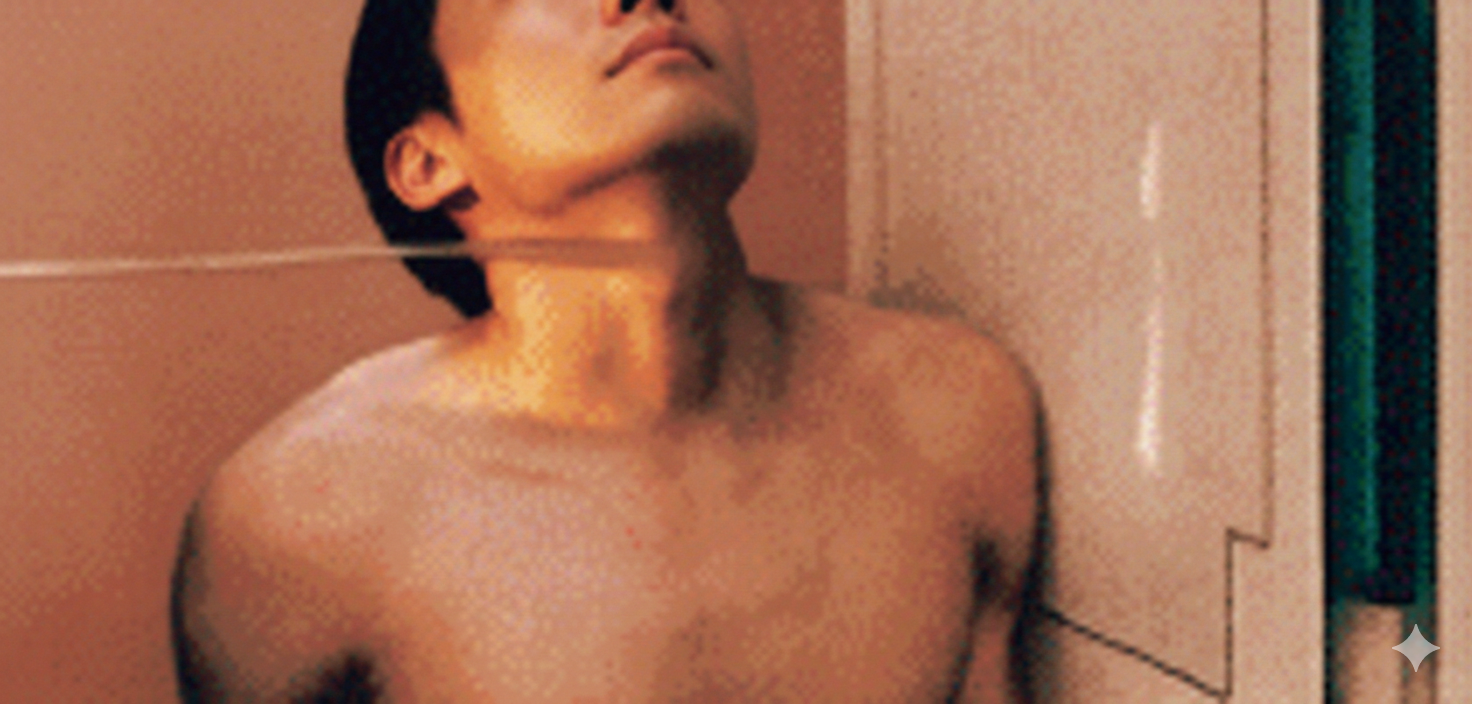
Position: Patient raises chin to the maximum
General Positioning
TWO-STEP PROCEDURE
1. HYPERFLEXION (First Exposure)
Patient is asked to:
- Let the head drop forward
- Bring the chin as close as possible to the chest
- Place cervical vertebrae in hyperflexion position (forced flexion)
2. HYPEREXTENSION (Second Exposure)
Patient is asked to:
- Raise the chin as much as possible
- Place cervical vertebrae in hyperextension position (forced extension)
- Maintain position without movement
Central Ray Point
Angulation: Horizontal
Consistency: Same location for both projections
Goal: Centered on mid-cervical vertebra to evaluate global movement
Structures Demonstrated
Cervical Mobility
Full range of flexion/extension
Intervertebral Discs
Changes during movement
Joints
Zygapophyseal joints visible
Alignment
Physiological curvatures
Stability
Segmental vertebral stability
Spinous Processes
Separation and approximation
Technical Challenges and Considerations
Frequent issues in cervical functional studies:
- Movement during exposure in extreme positions
- Difficulty maintaining position in patients with pain
- Mandible-vertebrae superimposition in hyperextension
- Head rotation leading to false results
- Limited cooperation in patients with neurological symptoms
Recommendation: Perform hyperflexion first (easier for the patient), then hyperextension
Patient Instructions
"Do not breathe during the exposure"
Specific Instructions:
1. "Bring your chin to your chest as much as possible" (flexion)
2. "Maintain the position without moving"
3. "Hold your breath now"
4. "Now lift your chin towards the ceiling" (extension)
5. "Again, maintain position and hold your breath"